
led bathroom mirror
Types of Control Valves and Their Applications Control valves are vital components in numerous industrial processes, as they regulate the flow, pressure, and temperature of fluids within a system. By doing so, they ensure optimal functioning and safety of equipment. Understanding the various types of control valves and their applications is crucial for engineers and operators across sectors like oil and gas, water treatment, HVAC, and many more. One of the most common types of control valves is the globe valve. Known for its excellent throttling capabilities, globe valves have a spherical body shape that allows for smooth flow regulation. They are suitable for high-pressure applications where precise control is paramount. Industries often utilize globe valves in steam, water, and gas systems. Another prevalent type is the ball valve, characterized by its spherical disc that controls flow. Ball valves provide a quick shut-off feature and are often used in applications that require tight sealing and minimal flow resistance . These valves are common in the oil and gas sector, chemical processing facilities, and in household plumbing systems due to their durability and reliability. The butterfly valve is another efficient control valve, featuring a rotating disc that regulates flow. They are favored for their lightweight design and compact size, which make them ideal for large pipe applications, such as in water distribution systems and HVAC systems. Butterfly valves are particularly useful where space constraints are a concern, and they can effectively handle large volumes of fluid. types of control valves and their applications Gate valves, although primarily used as on/off devices, can also serve in control applications where there are low flow rates. They offer minimal pressure drop when fully opened but are not suitable for throttling since partially closed gate valves can cause vibration and seal wear. Industries commonly deploy gate valves in waterworks, sewer systems, and slurry pipelines. Check valves are crucial in preventing backflow in a piping system, ensuring that fluid flows in one direction only. These valves are essential in oil refineries, wastewater treatment facilities, and in pumping systems where backflow can lead to equipment damage or process interruptions. Pressure relief valves play a critical role in safety, protecting equipment from overpressure conditions. These valves automatically discharge excess pressure, often used in combination with other control valves in systems where pressures vary. Applications include boiler systems, gas pipelines, and chemical reactors. Finally, digital control valves represent an advancement in control valve technology. These valves incorporate sensors and actuators, allowing for advanced flow control and real-time data reporting. Industries that prioritize automation and precision increasingly depend on digital control valves for enhanced operational efficiency. In conclusion, the choice of control valve type is dictated by the specific requirements of the application in question. By understanding the functions and advantages of various control valves—such as globe, ball, butterfly, gate, check, pressure relief, and digital control valves—industries can optimize processes, ensure safety, and improve efficiency. As technology advances, the integration of innovative control strategies will further revolutionize the capabilities of control valves in diverse industrial applications.
about
led bathroom mirror
Understanding the Dial Indicator Bore Gauge A Comprehensive Guide When precision machining and engineering meet, the necessity for accurate measurement tools becomes paramount. Among these tools, the dial indicator bore gauge stands out as an essential instrument for measuring the internal diameters of holes, cylinders, and other cylindrical features. This article will delve into the features, applications, and advantages of using a dial indicator bore gauge, ensuring that you understand how to utilize this crucial tool effectively. What is a Dial Indicator Bore Gauge? A dial indicator bore gauge is a precise measurement tool used primarily to measure the internal dimensions of holes and bores. It consists of a dial indicator mounted on a frame with an adjustable arm and a measuring probe. The probe is inserted into the bore, while the dial indicator provides a visual reading of the bore's diameter. The readings can be displayed in either inches or millimeters, depending on the gauge's specifications. Structure and Functionality The design of a dial indicator bore gauge allows it to fit into various types of bores. The key components include 1. Dial Indicator The dial reads the movement of the probe, providing a clear visual representation of the measurements with high accuracy. 2. Measuring Probe Usually made of hardened steel, the probe extends into the bore and can slide along its axis to capture measurements at different points. 3. Calibrating Mechanism This feature allows the user to zero the gauge before taking measurements to ensure accuracy. 4. Adjustable Arm The arm can be adjusted to accommodate different depths and positions within the bore. The gauge works based on the principle of displacement measurement, where the probe's movement correlates with the changes in diameter, allowing for precise readings. Applications in Industry dial indicator bore gauge Dial indicator bore gauges find extensive use across various industries, including - Manufacturing Used in quality control processes to ensure components meet the required specifications. - Automotive Employed in measuring cylinder bores, ensuring engine components are manufactured within strict tolerances. - Aerospace Critical for measuring internal dimensions of precision parts that must adhere to stringent safety and performance standards. - Construction and Maintenance Useful in evaluating the wear and tear of equipment and machinery, especially in large industrial settings. Advantages of Using a Dial Indicator Bore Gauge 1. High Precision With the ability to measure internal diameters accurately, these gauges can detect even the slightest deviations that may affect performance. 2. Easy to Use Although expertise is required for optimal results, the basic operation of a dial indicator bore gauge is straightforward, making it accessible to a wide range of users. 3. Versatile Suitable for various bore sizes and depths, making it a versatile tool in any measurement toolkit. 4. Durability Made from robust materials, these gauges are designed for longevity, even under demanding industrial conditions. 5. Cost-Effective Investing in a high-quality dial indicator bore gauge can lead to savings in rework and material costs by ensuring that parts are produced correctly the first time. Conclusion The dial indicator bore gauge plays a vital role in ensuring the quality and precision of machined parts in numerous industries. Its ability to provide accurate internal measurements contributes significantly to product reliability and efficiency. Understanding how to utilize this tool effectively will undoubtedly enhance your measurement capabilities, ensuring that you achieve precision in your engineering endeavors. Whether you're in manufacturing, automotive, or aerospace, the dial indicator bore gauge is an indispensable addition to your measurement arsenal.
-

High quality industrial productsagement

High quality industrial products
View Details -

Meet the diverse needs of customers

Meet the diverse needs of customers
View Details -

Strict quality control

Strict quality control
View Details -

Top raw materials

Top raw materials
View Details -

Trusted supplier

Trusted supplier
View Details
Our application

news and information

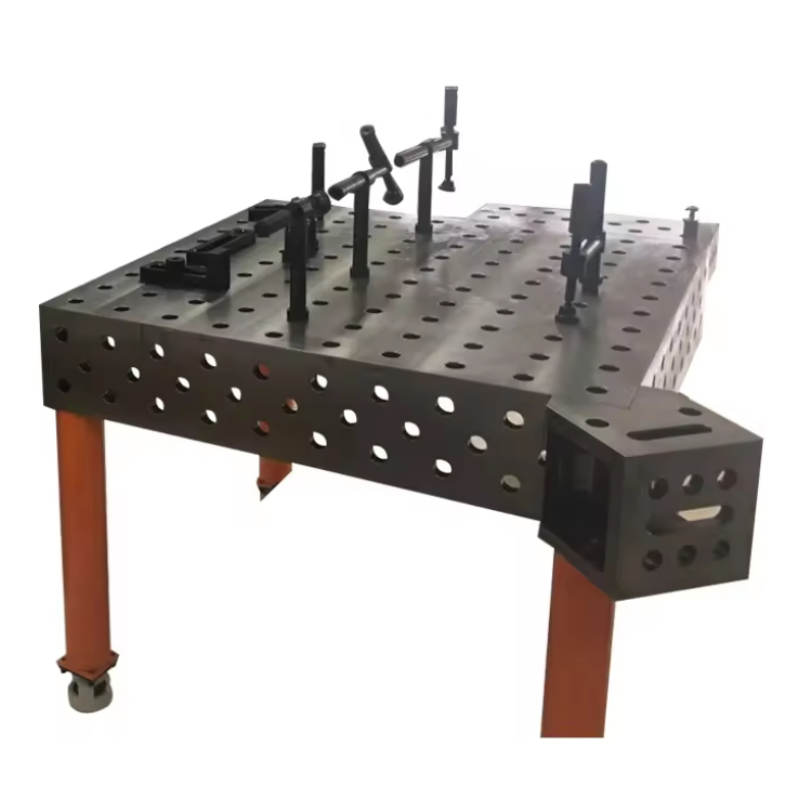
welding table supplier
Finding the Right Welding Table Supplier A Guide for Professionals Welding is an essential process i

v bloková cena
V současné době se v oblasti kryptoměn stále více hovoří o různých aspektech cen a jejich vlivu na t
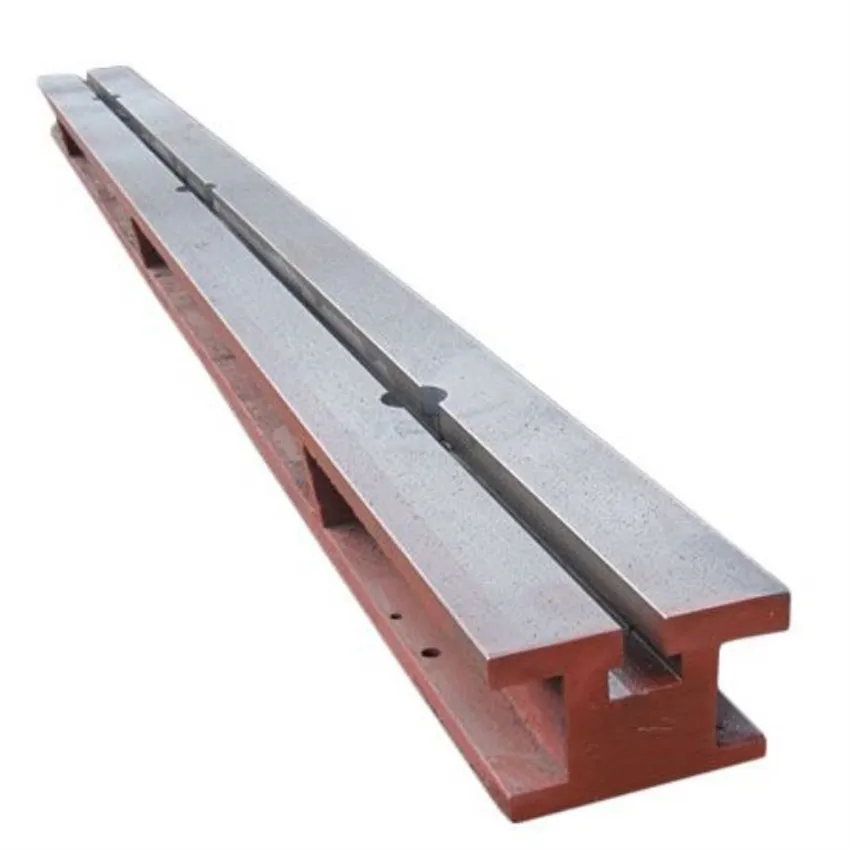
welding table supplier
Finding the Right Welding Table Supplier A Guide for Professionals Welding is an essential process i
 English